
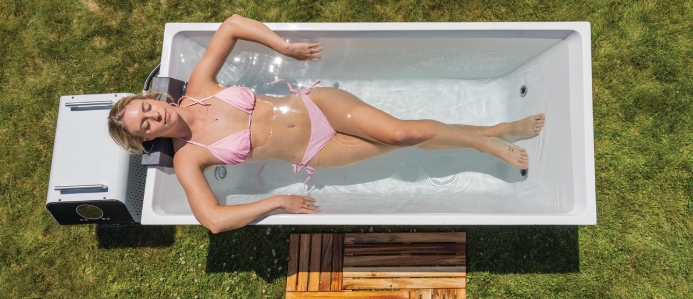
Cold plunging means a short, controlled dip in cold water that can change how you feel fast.Most people use water between 39 and 55 degrees. It is getting popular for recovery and wellness because it can ease sore muscles, boost energy, sharpen focus, and help you feel calm after a long day. Many athletes use it after training. Busy parents and working pros also like it for a quick reset. If you are wondering how often should you cold plunge, this guide gives a clear answer.
The big question people ask is this: how often should you cold plunge? There is a lot of mixed advice online. Some say every day. Others say only once in a while. The best answer depends on your body, your goals, and your experience with cold.
In this guide, we keep it simple. First, we break down the right cold plunge frequency for beginners, intermediate users, and advanced users. Then we compare daily versus weekly routines so you can choose what fits your life. Finally, we cover safety basics, smart session length, and the best times of day to plunge.
What Is a Cold Plunge and Why Do People Use It?
A cold plunge is a short, controlled time in cold water, usually between 39–55°F, for anywhere from 30 seconds to a few minutes. People use it to:
- Speed up recovery after workouts
- Increase energy and mental focus
- Support stress relief and a better mood
- Build resilience and discipline
Athletes love it for recovery. Wellness fans love the clarity and calm. Everyday folks use it to feel their best before work, after a trail run, or post-ski at Mt. Bachelor. If you are considering a system at home in Central Oregon, take a look at our cold plunge options in Bend, Oregon.
How Often Should You Cold Plunge?
If you want a quick, general target to start with, aim for about 10 total minutes per week, split across 2–4 short plunges. That is an easy baseline most healthy adults can handle, and you can adjust from there based on results. Many people follow a framework similar to the one outlined by the Huberman Lab team here, The Science and Use of Cold Exposure.
Your ideal cold plunge frequency depends on three things:
- Your experience level, beginner or seasoned plunger
- Your goals, such as recovery, mental health, or general wellness
- Your body’s response, meaning how you feel during and after
Next, we map out beginner, intermediate, and advanced routines, then we compare daily versus weekly approaches.
Cold Plunge Frequency Based on Your Experience Level
Beginners (New to Cold Plunging)
To begin, start slow: 1–2 times per week. Keep sessions short, 30–60 seconds at first, and choose a temperature that feels uncomfortably cold, but safe. Your body needs time to adjust. Pay attention to your breathing. Slow inhales through the nose and long exhales help calm the shock. If you feel dizzy, numb, or panicky, stop and warm up.
Why slow matters: Cold exposure is a stressor. Small, steady steps help you build tolerance while avoiding overdoing it. For questions about your personal health or starting temperature, please consult a licensed healthcare professional.
Intermediate Users
If you have plunged for a few weeks and feel good afterward, move to 2–4 cold plunges per week. Sessions can be 1–3 minutes each. You will likely notice better tolerance, faster settling of your breath, and stronger mental focus on plunge days. Prioritize consistency over intensity. Steady weekly minutes beat random heroic plunges.
Advanced or Experienced Users
For experienced users, some choose daily cold plunges and feel great. If that is you, keep sessions short and purposeful, 1–3 minutes at a sustainable temperature. Watch for warning signs like fatigue, irritability, poor sleep, or always feeling chilled. Those can mean your total stress load is too high. Dial it back if needed. More is not always better.

Cold Plunge Routine: Daily vs Weekly, Which Is Better?
| Approach | Who it fits | Typical frequency | Session length | Pros | Considerations | Best uses |
| Daily, short, and steady | People who want a strong habit and morning energy | Most days, very short dips | 1–3 minutes | Easy to repeat, mental reset, adds up to weekly minutes | Watch recovery and sleep. Avoid right after heavy lifting if muscle growth is your main goal | Discipline, mood, steady energy |
| Weekly, fewer, and focused | People who plan around workouts | 2–4 times per week | 1–3 minutes | Easier to schedule, pairs well with tough workouts, supports soreness and perceived recovery | May need slightly longer sessions to reach weekly target minutes | Recovery & focus |
Bottom line, pick the rhythm you can stick with. You will get more from a routine you actually follow.
How Many Cold Plunges Per Week for Specific Goals?
For Muscle Recovery and Athletic Performance
- Target: 3–5 plunges per week on training or high activity days
- Timing: Within a couple of hours post workout, especially after long runs, hikes, or team sports
- Duration: Short and controlled, 1–3 minutes
Cold water immersion can reduce soreness and help you feel ready for the next session. Keep in mind that if muscle size and strength gains are your top goal, plunging right after heavy strength sessions may blunt hypertrophy over time. If you are chasing muscle growth, save the plunge for rest days or several hours after lifting.
For Mental Health and Stress Relief
- Target: 2–4 plunges per week
- Timing: Morning for focus, or evening for calm
- Duration: 1–3 minutes with slow, steady breathing
Many people report better mood, less stress, and a clearer mind with regular cold exposure. Small, frequent wins beat occasional long grinds.
For General Wellness and Energy
- Target: 2–3 plunges per week
- Timing: When it fits your schedule, with morning as a popular choice
- Duration: 1–2 minutes to start, then build to 2–3 minutes
Want a balanced routine? Pair cold with heat. Sauna or hot tub first, then a short cold plunge. The contrast can feel amazing and keeps your wellness routine fun and sustainable. Here at Aqua Clear, we offer both so your backyard can do it all.
How Long Should Each Cold Plunge Session Last?
Generally, a simple range that works for most people is 30 seconds to 3 minutes per session. Longer is not always better. The benefits come from repeatable, controlled exposure, not from pushing to the limit.
- Begin at 30–60 seconds
- Build toward 1–3 minutes as tolerance improves
- Keep your breath smooth and in control
For simple breath control during a plunge, try box breathing. Inhale for 4 seconds, hold for 4, exhale for 4, then hold for 4. See this box breathing guide from Cleveland Clinic.
If your breathing feels out of control or your hands go numb quickly, end the session and warm up.
Best Time of Day to Cold Plunge
There is no perfect time, however, consistency matters most. That said, different times can serve different goals:
- Morning: A quick plunge can increase alertness and energy, which helps you start the day strong.
- Post workout: Useful for soreness and feeling fresher sooner. Avoid doing it right after heavy strength training if muscle growth is your main target.
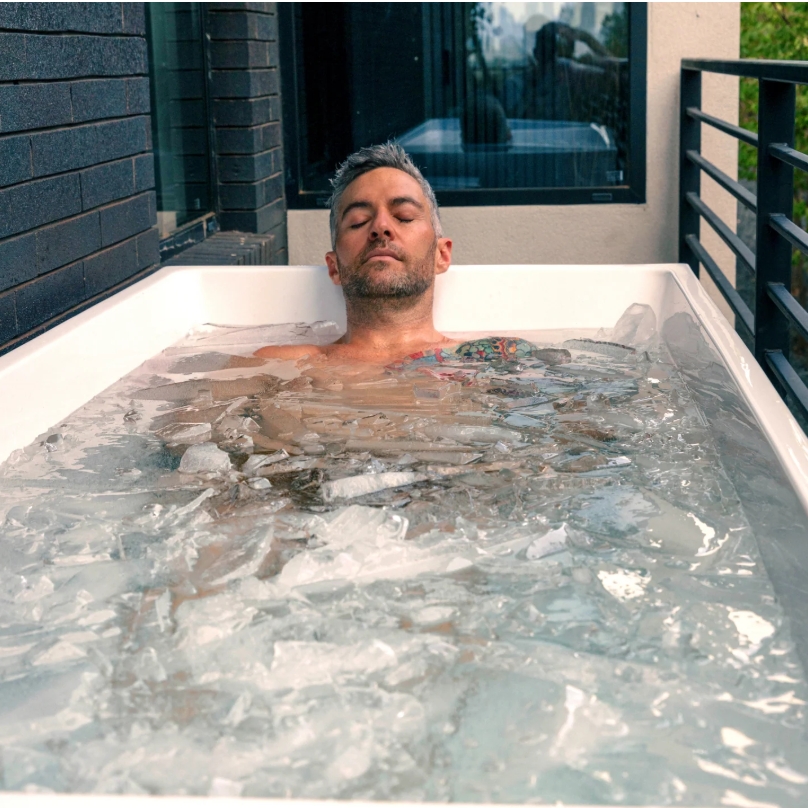
Why a Dedicated Cold Plunge Is Better Than DIY Methods
Certainly, a trash bin, horse trough, or ice filled bath can work for a while. But a dedicated cold plunge has big advantages:
- Consistent temperature control: You get the same, reliable cold every time. No guessing and no daily ice runs. That consistency makes it easier to hit your weekly minutes and track progress.
- Clean, filtered water: Good filtration and sanitation matter, especially when multiple family members use the tub.
- Comfort and durability: Quality insulation and sturdy construction keep water cold, cut energy waste, and make ownership easier day to day.
If you prefer a professional setup with installation and service in Central Oregon, our team can recommend models that fit your space and budget. That way, you can focus on your routine, not on ice runs.
Cold Plunge Solutions from Aqua Clear Hot Tubs
If you are ready to bring cold therapy home, Aqua Clear Hot Tubs can help you design a setup that fits your space, routine, and budget. We offer both inflatable and acrylic cold plunge systems, expert installation, and ongoing service in all of Central Oregon. You can talk with our hot tub specialists about sizes, filtration, and maintenance, or you can get started with a quick form so we can follow up with options and pricing.
Safety Tips You Should Not Skip
Cold plunging is safe for most healthy adults when done responsibly. Keep these basics in mind:
- Ease in. Start with warmer temps and very short durations.
- Breathe. Slow, deep breathing helps control the initial shock.
- Stay in control. If you feel lightheaded, numb, or panicked, get out and warm up.
- Know yourself. If you have heart or circulation concerns, talk to your healthcare provider first.
Sample Routines You Can Copy
Beginner, 2 days per week:
- Tue and Sat, 45–60 seconds at a challenging but safe temperature
- Add 15–30 seconds each week until you hit 2 minutes
- Total weekly minutes, about 3–4
Intermediate, 3–4 days per week:
- Mon, Wed, Fri, with Sun optional, 2 minutes per plunge
- Post cardio days are great. Avoid right after heavy lifting if building size and strength
- Total weekly minutes, about 6–8, up to 10–12
Advanced, 4–6 days per week:
- Short daily plunges, 1–3 minutes, or 4 days at 2–3 minutes
- Adjust total based on how you feel and your training load
- Total weekly minutes, about 10–12 as a baseline, more if you tolerate it well
Remember, consistency beats intensity. Start slow, focus on your breath, and build a routine you can keep, especially through our chilly Central Oregon winters.