
How to Lower Alkalinity in Your Hot Tub
Owning a hot tub should feel easy and relaxing. But many owners see alkalinity creep up over time, sometimes right after a refill or a few weeks of normal use. If alkalinity gets too high, water can look cloudy and scale can start to form.
In simple terms, alkalinity is the mineral “buffer” in your water. Everyday care like topping off the tub, sanitizing, and balancing pH can nudge that buffer higher little by little. The good news is you do not need to be a chemist to fix it. Small, careful steps bring it back into a healthy range.
In this guide, you’ll learn how to lower alkalinity in hot tub water the easy way, why it rises over time, and how to keep it steady. If you want friendly, local help, Aqua Clear Hot Tubs supports Central Oregon spa owners with simple, practical water care.
What Is Alkalinity in a Hot Tub?
Total alkalinity is the water’s “buffer.” It tells you how well the water can resist changes in pH. Although they work together, pH is a separate scale that shows how acidic or basic the water is. When alkalinity is in range, pH stays steady and your sanitizer works properly. When alkalinity is too high, pH gets stubborn, water can turn hazy, and scale may form on the inside of the shell.
Common signs alkalinity is high:
- Cloudy or dull water
- pH keeps drifting up even after you lower it
- Rough scale or white flakes on the inside shell
- Irritated skin or eyes
For reference, the ideal alkalinity for most spas is about 80 to 120 ppm. That’s the sweet spot most test manufacturers recommend for balanced spa water.
What Causes High Alkalinity in Your Hot Tub?
Alkalinity comes from carbonates and bicarbonates in your water. These natural mineral salts act like a cushion that keeps pH from swinging too fast.
Alkalinity rises in small steps as you care for the spa. Every time you add alkalinity increaser (sodium bicarbonate) or pH increaser (sodium carbonate), you add more carbonates to the water. If you sanitize with chlorine, it lowers pH, and many owners correct that by adding pH Up. Those corrections add carbonate too. In a 300 to 500 gallon tub, even a small scoop adds up over time.
Topping off the water can also slowly raise alkalinity. When water evaporates, the water level drops, but the minerals do not leave. Then you add more tap water to fill it back up, and that adds more minerals on top of what is already there.
How Alkalinity Creeps Up (Simple Cycle)
Here’s the cycle in plain language. Water evaporates, but the minerals stay in the tub. Then you top off with tap water, and you add a little more mineral each time.
Normal use and sanitizer can make pH drift down, so you add pH Up or alkalinity increaser. Those products can also raise alkalinity. Do this a few times and the alkalinity number slowly climbs.
The fix is simple: test first, make small changes, and use an alkalinity decreaser when you need to bring the level back to normal.
Why High Alkalinity Is a Problem
High alkalinity causes a few headaches:
- Cloudy water and scale. Minerals drop out and stick to surfaces, jets, and heaters.
- pH bounce and drift. Your pH will keep climbing and be difficult to keep in range, which can make it harder to sanitize.
- Less-effective sanitizer. Chlorine or bromine do not work their best when pH is too high, and high alkalinity makes that more likely. Keep pH in the 7.0 to 7.8 range so sanitizer can do its job.
- More time and chemicals. You end up chasing numbers and spending more than you need.
How to Test Alkalinity in Your Hot Tub
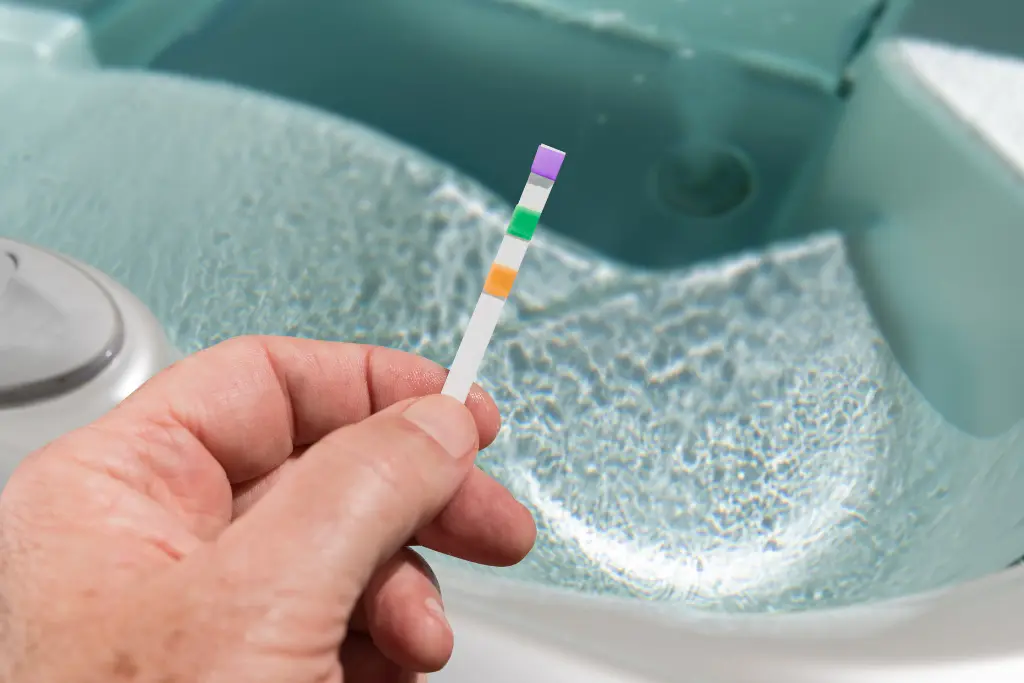
Test Strip Method
We recommend using AquaChek for your test strips. Dip a fresh strip and hold it level for approx. 15 seconds. Compare the color to the chart right away. Strips are great for quick checks before a soak and after adding chemicals. Aim for 80–120 ppm alkalinity.
Tips for accurate results:
- Always use fresh, dry strips and close the lid tightly.
- Test with the jets off to avoid splashing and color runoff.
- Read at the exact time on the label. Waiting longer can change the color.
Digital Testers
Digital testers use a drop of reagent or a small test disk to measure your water. They show a number on the screen, which is easier for many people than matching colors on a chart. They do cost more at first, but a lot of owners like them because the results stay consistent week to week.
To get the best reading, rinse the vial with spa water first. Fill it to the line, keep bubbles out, and run the test right away. Store your reagents in a cool, dry place and replace them each season. If your tester has a calibration option, follow the manual so it stays accurate.
If you soak several times a week, a digital tester can save time and help you catch small changes before they turn into bigger problems.
Professional Water Testing
Bring a water sample or your own test results to Aqua Clear Hot Tubs for simple, step-by-step guidance. Our hot tub specialists can help you understand what your numbers mean and what to adjust next. If you want help setting up an easy routine (or choosing the right chemicals for your spa) we’ll point you in the right direction. Our team can also recommend built-in sanitation upgrades, like ozone plus UV systems, that require less chemicals and attention.
How to Lower Alkalinity in Your Hot Tub (Step-by-Step Guide)
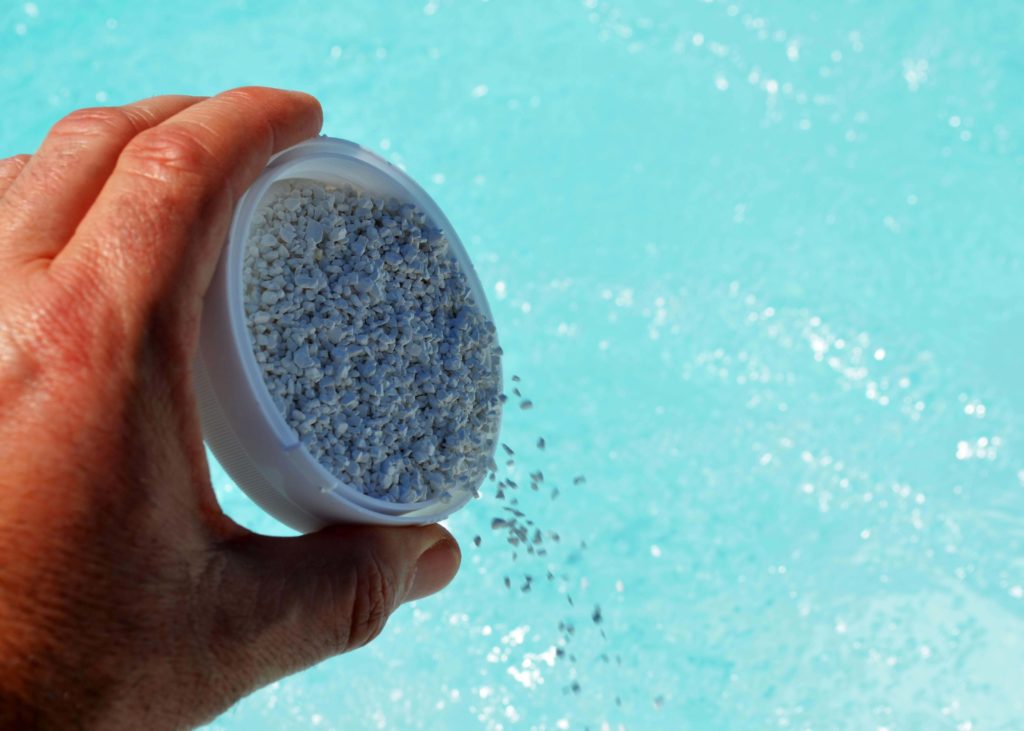
The easiest way to reduce alkalinity is to use a pH/alkalinity decreaser (sodium bisulfate). Add a small dose following the label. Go slow to avoid dropping pH too fast and to protect your spa’s surfaces. Repeat small doses until total alkalinity is back in the 80–120 ppm range. Now, let’s go through the steps.
Important: Always follow your product’s label for exact dosing and safety.
Step 1: Measure Your Current Alkalinity
Use a test strip or a digital tester to see how high your alkalinity is. Write down the reading so your adjustments are accurate and you don’t overshoot. Keeping a log of your readings can be helpful to catch patterns and recognize recurring issues.
Step 2: Add the Alkalinity Decreaser
We recommend Leisure Time Alkalinity Decreaser at 1.5 teaspoons per 500 gallons as a starting dose. How much you need depends on your reading; very high alkalinity often takes more than one small dose. Add a small amount, follow the manufacturer’s directions, and retest before adding more.
- Use small, measured doses based on your test result.
- Follow the product label closely for your spa size.
Step 3: Let the Water Circulate
Run the pump on low for 20–30 minutes to distribute the product. Keep the cover open a few inches for airflow. Don’t soak during treatment.
Step 4: Retest and Repeat if Needed
Retest alkalinity after 30–60 minutes. If it is still high, repeat small doses. It may take two or three rounds to reach your target. Slow changes protect your spa equipment and help you avoid a pH crash. Keep aiming for 80–120 ppm.
Expert Advice: Make Adjustments Like a Pro
Write down what you added and what your test results were before and after. A quick note on your phone makes the next adjustment much easier. Try to change one thing at a time, then retest, so you know what actually worked. If pH dips a little while you lower alkalinity, that’s normal. Bring pH up slowly with small doses and you’ll stay on track.
What Not to Do When Fixing High Alkalinity
- Do not dump in a large amount of decreaser at once.
- Do not mix chemicals together. Add products separately, with circulation time between.
- Do not ignore pH. Alkalinity and pH move together, so check both every time you treat.
How Long Does It Take to Lower Alkalinity in a Hot Tub?
Plan on 1–2 days for most spas. Time depends on how high your starting number is, product strength, water temperature, and circulation. New, clean water usually responds faster than older water that has a lot of dissolved solids.
Will Lowering Alkalinity Affect pH?
Yes. pH shows how acidic or basic the water is, and alkalinity shows how much your water can resist pH change. When you add a sodium bisulfate decreaser, both pH and alkalinity go down. In practice, alkalinity often drops faster than pH, which is okay.
To bring pH back up without undoing your progress, add a small dose of pH increaser, then retest. Use only another small dose if needed so you don’t overshoot; this lifts pH while adding very little to alkalinity.
When Should You Drain and Refill the Hot Tub?
Consider a drain and refill if:
- Alkalinity stays high after several careful treatments
- Water turns cloudy again soon after you balance it
- You notice scaling on jets, the shell, or the heater
Old water holds more minerals and gunk from normal use. A proper drain, line clean, and refill gives you a fresh start. If you prefer a full reset with a pro deep-clean, our hot tub maintenance services can handle everything, from purge to refill to startup balance.
How to Maintain Balanced Alkalinity (Prevention Tips)
Test Your Water Weekly
Create a simple schedule. Here at Aqua Clear, we recommend testing your water at least once a week for normal usage. If you use the tub more than once a day, you may consider testing the water twice weekly. Test alkalinity, pH, and sanitizer each week, and anytime water looks off.
Use the Right Amount of Chemicals
Make small, controlled adjustments and retest. Typically, you’ll want to add about 1 tsp-1tbsp of each chemical at a time. Adding a lot at once can push alkalinity or pH too far and waste product.
Keep Your Filters Clean
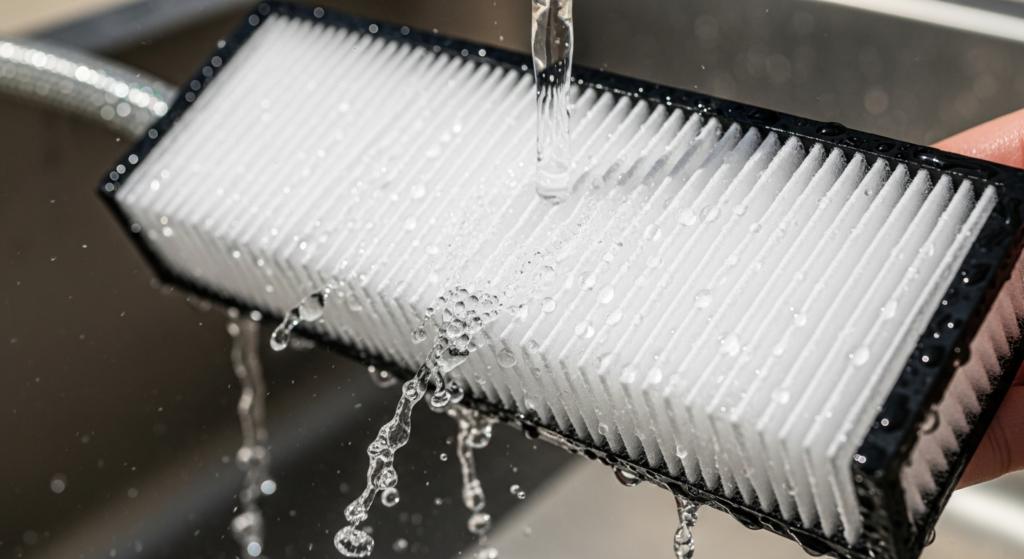
Dirty filters reduce flow and can leave water looking dull. Rinse filters weekly and replace every 6 months for best clarity. Consider using a filter soak on a monthly basis to give them a deeper clean
When to Call a Professional?
Reach out if:
- Alkalinity keeps rising after treatments
- Water stays cloudy or you see scale forming on the shell
- You want help picking the right products for your spa care
Aqua Clear Hot Tubs offers professional water care support and can also set you up with easy systems and supplies that fit your routine. If you’re also thinking about upgrading, you can browse our hot tubs to see options that fit Central Oregon living.
Final Thoughts
High alkalinity is common and very fixable. Test your water, add small doses of pH/alkalinity decreaser, circulate, and retest until you land at 80–120 ppm. Keep pH in the 7.0–7.8 range so your sanitizer works well and your soaks feel great. With a little practice, you’ll keep your spa crystal clear and simple to enjoy. If you want hands-on help, product recommendations, or a professional help, our local team is ready.
Ready for clearer water? Book our hot tub maintenance services for friendly, expert help balancing your spa: https://aquaclearhottubs.com/hot-tub-service/