
Sauna Guide: Infrared vs Traditional Sauna
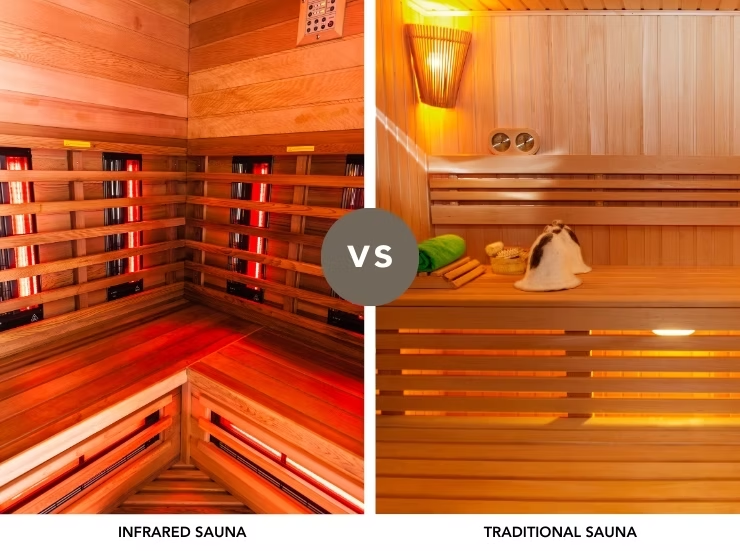
Thinking about a home sauna? You deserve a simple, clear path through the Infrared vs Traditional Sauna choices. We carry both, so this guide is neutral and practical. Both options support relaxation, muscle recovery, and deeper sleep. They just work in different ways. Traditional Finnish saunas heat the air and the stones, then you, with optional steam for a bold, full room feel. Infrared saunas use radiant panels to warm your body directly at lower air temperatures.
Here is what you will get from this article: how each type works, what it feels like, typical temperatures and warm-up times, space and electrical needs, upkeep, and simple safety tips. You will also find a quick decision quiz and a plain English snapshot of our Finlandia traditional and Maax Sauna infrared options. Read on to match a sauna to your goals, your space, and your budget so you can choose an infrared vs traditional sauna with confidence and know exactly what to try in our showroom.
Types of Saunas: Infrared vs Traditional Sauna Basics
Types at a Glance
Traditional Finnish: Heaters warm stones and the air, then you. You can add water for steam to change the feel in seconds. Air temperatures are higher, and the heat fills the whole room.
Infrared: Panels warm your body directly at lower air temperatures. You still sweat, the heat feels focused, and warm‑up time is usually shorter.
Why People Love Saunas Today
Life moves fast and the to-do list never ends. A sauna slows everything down. You close the door, feel the heat rise, and the outside noise fades.
Within a few minutes, muscles soften and your breath gets deeper. Tight shoulders let go. Your mind stops racing because there is nothing to check and nowhere to be. Many people say they sleep longer and wake up clearer when they keep a steady sauna routine.
It is also a ritual you can share. Families sit together and talk without screens. Friends rotate in for short rounds, then step out for cool air and water. If you enjoy a challenge, add a quick cold rinse between rounds to boost energy and mood.
Results build with consistency. Two or three sessions a week can support recovery after workouts, help you unwind after long days at a desk, and create a small window of “me time” you actually protect. Ten to twenty minutes is enough. Simple, repeatable, and easy to love.

Infrared vs Traditional Sauna: Quick Comparison
Prefer a quick skim? Here is the Infrared vs Traditional Sauna side by side comparison in plain English.
Traditional Finnish Sauna: Heat source: heater and stones, with water on the rocks for steam. Typical air temp: about 160 to 195°F (71 to 90°C), with some brief rounds up to 200 to 212°F (93 to 100°C). Session pattern: 10 to 20 minutes per round, usually 2 to 3 rounds with cool‑downs. Warm‑up: longer because the room and stones need time. Humidity: adjustable from dry to steamy. Feel: bold, full‑room heat. Space: built‑in room or prefab cabin. Maintenance: stones and wood care. Best for: steam control, classic ritual, and a full‑room heat feel.
Infrared Sauna: Heat source: infrared panels that warm your body directly. Typical air temp: about 110 to 140°F (43 to 60°C), sometimes up to 150°F (66°C). Session pattern: often 20 to 30 minutes in one steady session. Warm‑up: shorter. Humidity: low. Feel: direct, body‑focused warmth at lower air temps. Space: compact prefab cabins are common. Maintenance: panel checks and simple wipe‑downs. Best for: frequent, time‑efficient sessions and small spaces.
How Each Sauna Works
Heat Source and Method
Traditional saunas heat the room first. You warm as the hot air and steam surround the body and the stones release stored heat. Infrared saunas use panels that emit wavelengths absorbed by the skin. The panels heat you more directly, so you get deep body warmth even at lower air temperatures. Different paths, similar outcomes.
Temperature Range and Perceived Intensity
Traditional rooms typically run about 160 to 195°F (71 to 90°C). Some enthusiasts enjoy brief rounds at 200 to 212°F (93 to 100°C), especially with steam bursts. The air feels strong and enveloping, which is part of the appeal. Infrared sessions usually take place between 110 and 140°F (43 to 60°C), and some cabins can reach about 150°F (66°C). Even at these lower air temperatures, you will sweat because the panels warm your body directly. Many beginners find that difference easier to settle into, while traditional fans enjoy the hotter, steamier feel.
Heating Time and Energy Use
Infrared saunas can warm up faster. Traditional rooms often need a bit more time for the heater, stones, and interior to reach the target temperature. Energy use depends on the model, size, and how often you run the sauna. Good insulation and right-sized heaters help both options perform well. Smart habits matter more than you might think.
Infrared vs Traditional Sauna Benefits:
Relaxation and Stress Reduction
Heat tells your body it is safe to slow down. As your core warms, blood vessels open and tight muscles loosen. Breathing shifts from quick and shallow to smooth and steady. Your heart rate may lift at first, then ease as you settle. Many people describe a gentle melt from head to toe as tension lets go.
Sauna time also creates a clear mental boundary. You step in, close the door, and everyday noise stays outside. Add soft music or quiet, and the room becomes a simple space to reset. Read a few pages, journal a line or two, or just sit with your eyes closed and notice the warmth. Ten to fifteen minutes can feel like a short vacation.
A few small habits make the stress relief even stronger. Drink water before you start. Sit tall, relax your jaw, and try slow nasal breathing: in for four, out for six. If you enjoy it, add a splash of essential oils to the water in a traditional sauna for a soothing steam moment. Finish with a cool rinse and a quick stretch so you carry that calm into the rest of your day. Both types can deliver this reset; they just feel different, so try each and notice which one helps you unwind faster.
Muscle and Joint Comfort
Warmth can ease tightness and support recovery. Athletes often use the sauna after training, while others rely on it for general comfort and flexibility. Both types can help, so the choice comes down to your preferred feel and schedule. If strong, steamy heat loosens your body, traditional may win. If lower-air-temp, body-focused heat feels better after workouts, infrared may feel right.
Circulation and Heart Health
Heat makes your heart work a little harder, like light exercise. Blood vessels open so more blood and oxygen move to your muscles and skin. Many people notice a gentle drop in blood pressure after a session, then a calm return to resting rate as they cool down. Over time, regular sauna use may help support cardiovascular health when paired with good sleep, movement, and hydration. If you have heart concerns, recent surgery, or take heart medicines, talk with your doctor first. Start with short sessions, drink water, and stop if you feel dizzy or unwell.
Skin and sweating: Sweating helps the skin feel clean and refreshed. Some people notice a brighter complexion with steady use, especially with good hydration and a quick rinse after. Towels and simple wipe‑downs keep the space fresh for the next session.
Pairing heat and cold (optional): Hot followed by cold can wake up the body in a big way when you choose to add it. You can rinse or plunge briefly between rounds in either type. Try short cycles and stop when you feel done.
Hot followed by cold can wake up the body in a big way when you choose to add it. Traditional sauna culture often pairs heat with a cold rinse or plunge, but infrared users can do the same at home. Try short cycles and see what you enjoy. Heat up, rinse, repeat, and stop when you feel done.

Infrared vs Traditional Sauna: Safety and Dangers Explained
Common Myths About Infrared Saunas
A common myth is that lower air temperature means no real benefits. That is not true. Many users sweat well in infrared at lower temperatures because the body absorbs the panel heat directly. Another myth is that infrared is always safer. Both types are safe for most healthy adults when used correctly.
Infrared vs Traditional Sauna: Precautions
Hydration comes first. Drink water before and after sessions and avoid alcohol. Dr. Andrew Huberman recommends drinking at least 16 ounces of water for every 10 minutes spent in the sauna. Keep sessions shorter at the start, then build up slowly over a few weeks. People who are pregnant, have heart concerns, or take certain medications should talk to a doctor first. Stop if you feel dizzy or unwell. Safety starts with listening to your body.
Clean Use and Maintenance
Use clean towels and wipe benches after use. Keep good airflow and follow the maker’s guidance for the heater, stones, and panels. Regular care keeps both sauna types fresh and inviting. A few minutes of care after each session makes a big difference over time.
Space, Installation, and Cost
Room Size and Ventilation
Planning an infrared or traditional sauna at home starts with space and power. Traditional saunas can be installed as built-in rooms or as prebuilt cabins. Infrared cabins often fit smaller spaces and need less build-out. Both require proper ventilation, and layout planning matters. A small, well-planned corner can become a perfect wellness spot that you actually use. If you need help planning your space, reach out to us to schedule a no‑obligation site assessment. We’ll come to your home and help you plan what is the best fit for your space and lifestyle. Or book a free sauna planning consult now.
Electrical Requirements
Infrared cabins are available in both 110V and 220V options, depending on size and heater output. Smaller one or two-person models typically use a standard dedicated 110V household circuit, while larger cabins step up to 220V for faster warm-up and steady heat. All traditional Finnish saunas run on 220V and usually need a larger dedicated breaker. Always work with a licensed electrician for a safe setup. Proper wiring protects the sauna and your home, and helps your system perform at its best.
Upfront Cost vs Ongoing Cost
Purchase price and installation vary by size, materials, and features. Infrared models can start at lower price points. Traditional builds can scale up with custom wood, benches, and glass. Ongoing costs are tied to session frequency, size, and insulation. Choose the right size for your space and routine to keep energy use in check.
Maintenance 101
Traditional saunas may need stone replacement over time and careful wood care. Infrared units need panel checks and routine cleaning. Neither option is hard to maintain. A simple wipe down after each use keeps both running well for years.
What It Feels Like in an Infrared vs Traditional Sauna
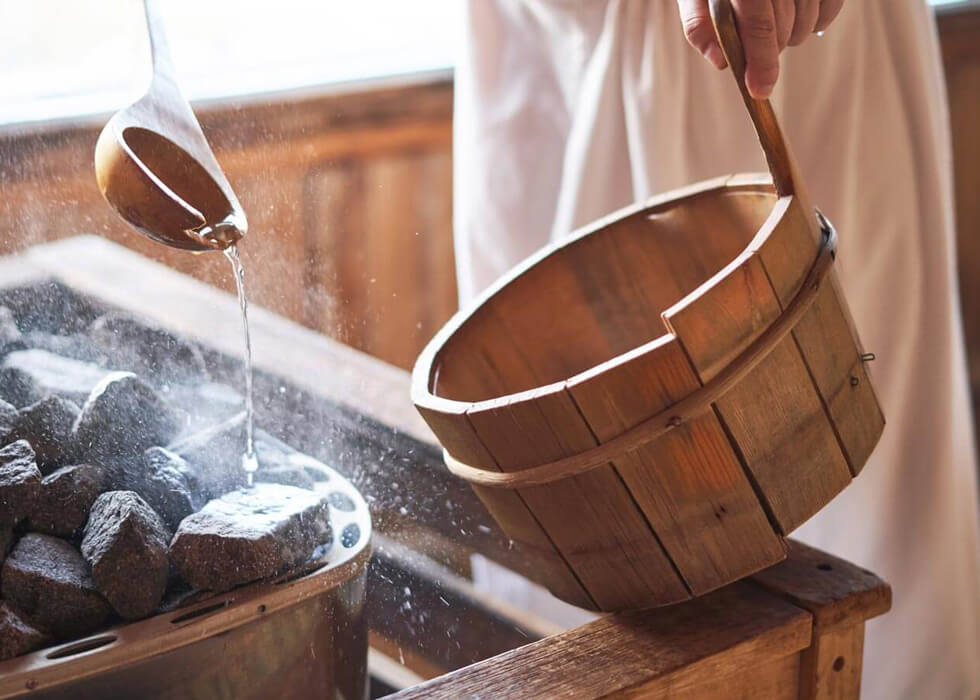
Traditional feel: Classic ritual with strong room heat and optional steam bursts. Some add a drop of essential oil to the water bucket for a light scent. Many people enjoy sitting between rounds while the room settles—it feels like a mini retreat at home.
Infrared feel: Direct, body‑focused warmth at lower air temps. The air is easier to breathe for some users, which can make longer, calmer sessions possible. Many people like to read or listen to calm music because the environment stays clear.
For beginners: Some start with infrared because the lower air temperature feels less intense. Others prefer the full, steamy blast of traditional from day one. The best answer is to try both and let your body choose.
Use Cases: Match the Sauna to Your Goals
- Fast, convenient sessions: Infrared warms up quickly and suits shorter, frequent use you can fit into busy days.
- Muscle recovery and training: Both work. Pick traditional if strong, steamy heat loosens you best; pick infrared if lower‑air‑temp, body‑focused heat feels better post‑workout.
- Sensitive to high air temps: Start with infrared. You can still try traditional with shorter rounds and a lower bench.
- Steam and humidity control: Choose traditional so you can tailor steam with water on the stones.
- Sleep and stress relief: Either type works—test evening sessions and soft lighting, and see which one helps you wind down.
Quality & Authenticity: What to Look For
A Quick Quality Checklist
- Heat coverage: In traditional units, look for the right stone mass and heater size for the room. In infrared, check that panels cover back, sides, calves, and near the floor so heat reaches the whole body.
- Wood and build: Smooth sanding, tight joints, solid bench supports, and quality cedar or hemlock. Doors should close cleanly and glass should be tempered.
- Controls and safety: Clear, easy controls. ETL/UL-listed heaters and overheat protection. Proper ventilation and a dedicated circuit sized for the unit.
- Warranty and service: Know what is covered, for how long, and who supports you locally. Installation and after‑care matter as much as the hardware.
How Our Brands Measure Up
Finlandia · Traditional Finnish
If you want the classic sauna feel, Finlandia delivers steady room heat and true steam control. The cabins use quality cedar wood with sturdy benches that hold up to daily use, and you can choose either a ready‑to‑assemble room or a precut kit for a tailored build. The result is a durable, ritual‑friendly sauna that feels soothing and consistent every time you step in. Ready to browse? Explore our traditional saunas for sale.
Maax Sauna Wellness · Infrared
Maax Sauna Wellness keeps the setup simple for frequent use. You get direct, body‑focused warmth at lower air temperatures in a clean, modern cabin that fits one to four people. Many models add Chromolight color lighting, full‑spectrum and white reading lights, tempered glass door and windows, and a dual control panel inside and out; select models add gemstone emitters (jade, bian, pink ferric oxide). Session intensity is up to you. Adjust the time and temperature to make it lighter or stronger.
Whichever you choose, you get local help from a team at Aqua Clear that knows your sauna and wants you to love using it.
Decision Guide: A Simple Quiz
Answer yes or no to each question:
- Do you prefer a bold, steamy heat that fills the whole room?
- Do you want a quick warm-up and shorter, frequent sessions?
- Do you want to pair hot sessions with brief cold rinses or plunges?
- Is your space small or limited to a corner?
- Do you plan to sit with friends or family often?
- Do you want the lowest air temperature that still delivers a good sweat?
- Are you building a showcase wellness room with cedar and glass?
- Do you value easy installation and simple electrical needs?
Your results: Mostly yes to 1, 3, 5, and 7 suggests a traditional Finnish sauna. Mostly yes to 2, 4, 6, and 8 suggests an infrared sauna. Mixed answers mean either type could work, so try both in-store and choose the one you will use most.
Frequently Asked Questions
Is an infrared sauna safer than a traditional sauna?
Both are safe for most healthy adults when used as directed. Hydrate, start with short sessions, and talk to a doctor if you have medical questions.
How long should a beginner stay in each type?
Begin with 8 to 10 minutes. Step out, cool down, and repeat if you feel good. Over time, many people work up to 15 to 20 minutes per round. Let your comfort and recovery guide you.
Do traditional saunas always need plumbing or drains?
Most home saunas do not require plumbing. A bucket and a ladle are used to pour small amounts of water over stones. Follow ventilation guidelines for moisture control and you are set.
Can I combine sauna sessions with cold plunges?
Yes. Heat followed by cold can boost alertness and recovery. Start slowly and adjust to comfort. Always listen to your body and stop if you feel lightheaded.
What are the electrical needs at home?
Infrared units often run on a dedicated household circuit. Traditional heaters may need a higher voltage. Use a licensed electrician for safe setup and long-term reliability.
Which is more energy efficient?
Infrared cabins tend to warm up faster, which can reduce run time for quick sessions. Right-sized traditional heaters, good insulation, and smart habits can also keep energy use in check. Your routine is the biggest factor.
Are there any medical conditions that need a doctor’s approval?
People who are pregnant, have heart concerns, or take certain medications should check with a doctor before using any sauna. When in doubt, ask first.
What about kids or older adults?
Short, supervised sessions at gentle settings are best. Hydrate well and avoid extreme heat. Always follow medical advice and build up slowly.
See and Feel the Difference at Aqua Clear
The best way to choose between an infrared vs traditional sauna is to try both. Visit the showroom to sit, see, and feel the difference between infrared and traditional Finnish saunas. Compare seat comfort, controls, heat feel, and space needs. Talk with a sauna specialist about your goals, your room, and your budget. We will help you create the perfect wellness routine at home. Prefer guidance? Book a free sauna planning consult.
