
If you’ve ever stood in front of a wall of bottles wondering what to buy for your hot tub, you’re not alone. The right spa chemicals keep your water clean, comfortable, and safe. They also protect your pumps, heater, and jets, so your spa lasts longer and runs better. In this guide, we’ll cut through the noise and show you exactly what you need, what’s optional, and how to keep things simple. If you’re wondering exactly what chemicals to use in spa care, this guide lays it out in plain English. We’ll also share easy routines that fit real life, whether you soak every night or only on weekends.
Why Spa Water Chemistry Matters
Balanced water keeps you safe and comfortable every time you soak. Warm water is a great place for bacteria to grow if it isn’t treated, so a steady routine with the right products is key. When your sanitizer and pH balance are on point, you reduce the risk of skin and eye irritation. Soaks feel better. Your spa smells fresh. Towels and suits come out without that harsh odor. And you can relax instead of worrying about what’s in the water.
Good chemistry also protects your investment. Water that’s too low or too high in pH can chew through seals and gaskets, scale up your heater, and shorten the life of your pumps and jets. Over time, imbalance can even fade your shell and cause sticky residue around the waterline. Balanced water moves smoothly through the system and helps your equipment run efficiently, which saves energy too. At Aqua Clear, our focus is long-term spa care, not quick fixes. Get the basics right, and your spa will pay you back with years of easy, enjoyable use.
Basic Spa Chemicals to Use in Your Spa
There are only a handful of products you truly need to keep water healthy. Start with a reliable sanitizer, then keep pH and total alkalinity in range. That’s your core. When these three pieces are steady, everything else becomes simple. You’ll spend less time chasing numbers and more time enjoying warm, clear water.
Sanitizers: The Most Important Spa Chemicals
Sanitizers are the heart of clean spa water. Their job is simple and vital: kill bacteria and germs. Most homeowners choose either chlorine or bromine. Both work, and both are safe when used correctly.
Chlorine is popular because it acts fast and is easy to manage. It’s a strong sanitizer that keeps water safe even when a lot of people hop in. Many chlorine users like granules because they dissolve quickly and make it easy to nudge levels up after a soak. Bromine is an alternative sanitizer for hot tubs, but we don’t recommend it for most owners. Bromine breaks down more quickly when exposed to UV light (like sunlight). Many modern spas have a UV sanitizing system built in, which can impact the effectiveness of bromine. For simpler care, lower cost, and easy testing, we recommend chlorine for most spas.
You only need one sanitizer, and you should stick with it. Never switch back and forth. If you do decide to move from bromine to chlorine, drain and refill first to start fresh; leftover bromine will throw off your readings and make water care harder than it needs to be. Whatever you choose, add the product with the circulation running, allow time for the water to mix, and follow the label for safe entry levels. If the spa has had heavy use or the water looks dull, pair your sanitizer with a shock treatment as described below.
pH Balancers: Keeping Water Comfortable
Think of pH as your water’s “comfort scale.” If pH is too low, the water turns acidic and can irritate skin and eyes while corroding metal parts. If pH is too high, the water can feel harsh and leave flaky scale on surfaces and inside the heater. Most spas feel best with pH in the standard spa range (generally around 7.2–7.8).
You’ll use two simple tools to control pH: a pH increaser when it’s too low and a pH decreaser when it’s too high. Another big benefit of balanced pH is that your sanitizer works better. When pH is out of range, chlorine or bromine can’t do their job as well, which means you end up using more product for the same result. Keep pH steady, and you’ll use fewer chemicals overall while enjoying clearer, more comfortable water.
One more tip: aeration (like running the jets with lots of air) tends to raise pH. If you love strong bubbles, that’s fine just check pH a little more often and make small adjustments as needed. When you do adjust, add a small amount, let the water circulate for 15–30 minutes, then retest before adding more.
Total Alkalinity Adjusters
Total alkalinity is the “helper” that keeps pH from bouncing around. If alkalinity is too low, your pH can drift up and down from day to day, which leads to cloudy water and frustration. If it’s too high, pH can creep upward and be tough to bring back down. Many spa owners aim for a typical spa range of roughly 80–120 ppm. Adjusting alkalinity is simple. Use an alkalinity increaser to raise it when it’s low, give it time to circulate, then fine-tune your pH.
When alkalinity is in range, pH stays stable and spa care gets easy. A good rule of thumb is to correct alkalinity first, then address pH. That order prevents you from overusing pH products and keeps your sanitizer working at full strength.
Optional but Helpful Spa Water Chemicals
Once your core balance is steady, a few optional helpers can make your water look and feel its best. You won’t need them every day, but they’re great to have on hand when the water gets extra use, the weather changes, or you notice a little haze.
Shock Treatments: When and Why to Use Them
Think of spa shock as a deep clean for your water. Shocking breaks down the leftover stuff that sanitizers have already killed or neutralized, things like body oils, lotions, sweat, and tiny bits of organic material that cloud the water. Oxidizing those wastes helps your sanitizer recover so it can focus on what it does best. For a clear video walkthrough, check Swim University’s guide: How to Shock a Hot Tub.
Many owners shock once a week as a simple habit, and also after parties or heavy soaking. You can use chlorine shock or a non-chlorine shock, depending on your sanitizer and your preference. Non-chlorine shock is handy because you can usually soak sooner after use, while chlorine shock is a strong reset when water looks especially tired. To keep the instructions simple: add shock with the cover open, run the jets for several minutes for good mixing, and give the water time to breathe before you soak again. If your water has a light “spa smell,” a good shock and fresh air often clear it right up.
Clarifiers: For Clear and Sparkling Water
Clarifiers don’t sanitize or balance, but they make water look great. They work by clumping tiny particles together so your filter can grab them. If your water looks a bit hazy even when your test readings look good, a clarifier can help polish things up. It’s a support player, not a star. Use it when you need it, not every day. If you find yourself reaching for clarifier often, it may be a sign your filter needs a deep clean or replacement, or that you could benefit from more frequent shock treatment.
Scale and Stain Preventers
If you live with hard water, minerals like calcium can leave a rough film on jets and a chalky line at the water level. Inside the spa, that same scale can collect on the heater and reduce its efficiency. In many Central Oregon homes, hardness varies by source, so a scale and stain preventer is a smart add when you first fill the spa and after each top-off. These products keep minerals and metals in solution so they don’t stick to surfaces or cause brown or green staining. The result is a smoother shell, happier jets, and a heater that runs like it should. If hardness is very high, consider using a hose pre-filter on refill to start with cleaner water from day one.
Chemicals You Don’t Always Need
It’s easy to buy more bottles than you’ll ever use. Fragrance additives, foam reducers, and extra “specialty” cleaners can be nice to have, but they’re not required to keep water clean and safe. In many cases, foaming comes from soaps or leftover detergent on swimwear, not a chemistry failure. Rinse suits without detergent or run them through a rinse-only cycle to help. Enzyme products can help digest oils and lotions, but they’re optional when your sanitizer, pH, and alkalinity are steady and you shock regularly. Focus on your core routine first: sanitizer, pH balance, and alkalinity. When those are dialed in, you’ll need fewer extras and your water will still look and feel amazing.
How Often Should You Test and Add Spa Chemicals?
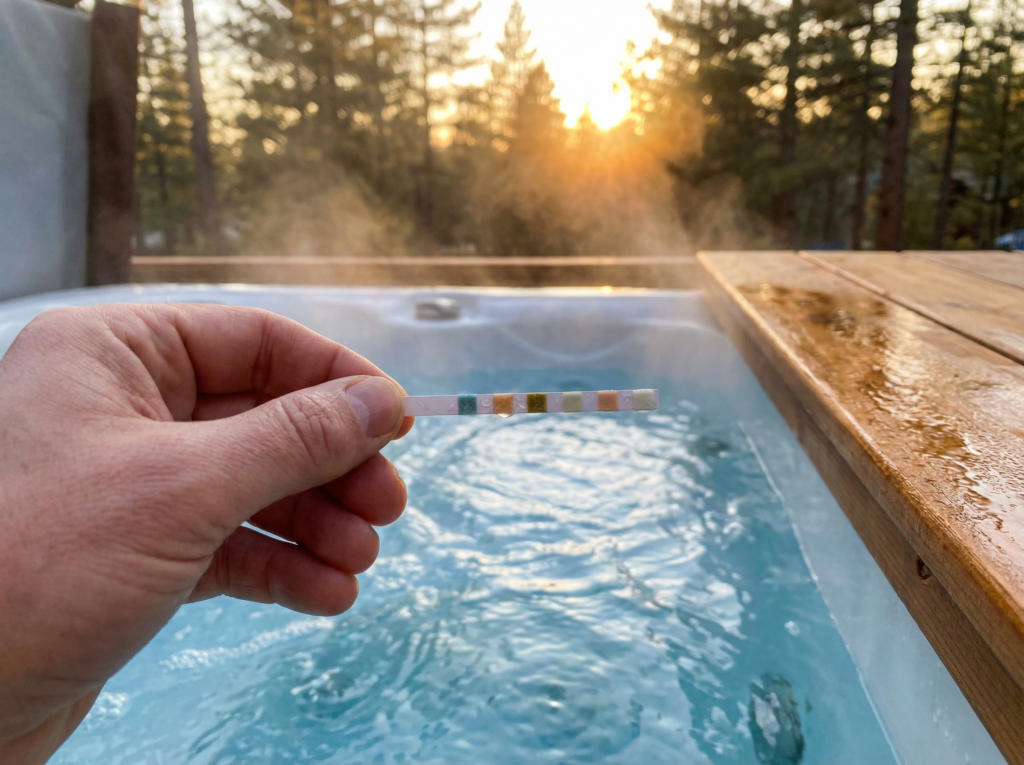
Consistency beats perfection. Plan to test your water one to two times per week with test strips or a reliable kit. For a quick step-by-step on using test strips, see SpaDepot’s guide: Using Test Strips: Get Accurate Results Every Time. This quick check tells you where pH, alkalinity, and sanitizer levels are sitting. Make small moves, not big swings. Add what you need, then let the water circulate for a bit and retest before adding more. Regular testing helps you catch small changes early, which keeps the water stable and saves money on chemicals over time.
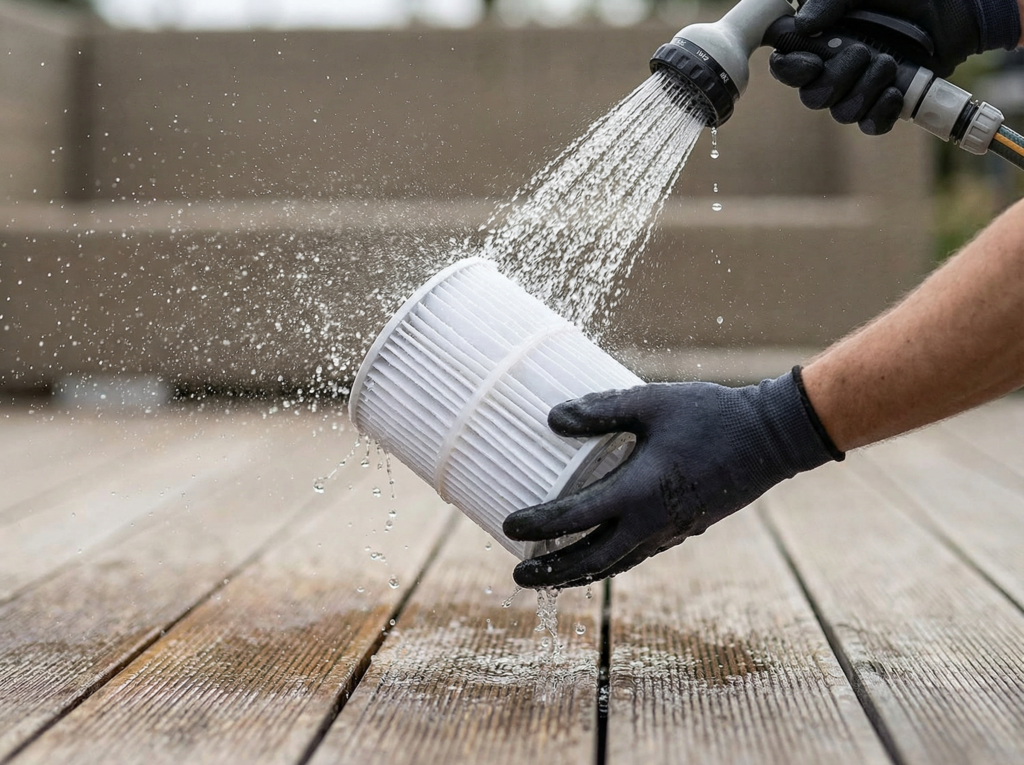
If the spa gets heavy use, like a party weekend, do an extra test and a shock afterward. After each soak, many owners add a small dose of their sanitizer to help the water recover. Every week, plan a few extra minutes to shock the spa and rinse the filter. Every month, give the filter a deeper clean with a proper filter cleaner or swap in a spare while the first one soaks. And every four to six months, most spas benefit from a drain and refill so you start fresh with clean water. These small habits keep your water care simple, predictable, and stress-free. For an easy weekly checklist, see Swim University’s Beginner’s Guide to Hot Tub Maintenance.
Common Spa Chemical Mistakes to Avoid
One common mistake is dumping in lots of different products at once. When you add several chemicals back-to-back, you can overshoot your target and end up chasing numbers. Take it step by step. Test first, add one product, circulate, and retest. Another mistake is skipping the test entirely. Guessing leads to wasted product and up-and-down water.
It’s also easy to forget that contaminated or clogged filters make every chemical work harder. If your filters look dingy even after rinsing, give them a deep clean or replace them. Avoid mixing sanitizer types or changing brands too often, and never add water to chemicals, always add chemicals to water with the pumps running. Finally, don’t ignore pH and alkalinity. Even if your sanitizer level looks good, out-of-range pH and alkalinity will cause irritation, cloudiness, scale, and equipment stress. A simple, steady routine prevents all three issues.
Getting Expert Help With Spa Water Care
You don’t have to do this alone. Aqua Clear Hot Tubs is here with friendly, local help in Bend and Sisters, Oregon. Stop by our store and walk you through your numbers, and set you up with the exact products and doses for your spa size. We can show you how to dial in sanitizer, balance pH and alkalinity, and choose the right shock for your routine. If you want hands-off care, ask about our maintenance services. We’re happy to create a weekly or monthly plan, deliver supplies, and keep your spa sparkling with minimal effort from you.
Final Thoughts
Spa care doesn’t have to be complicated. You only need a few core products to keep your water clean and comfortable: a good sanitizer, pH balancers, and alkalinity adjusters. Add shock after heavy use, use a clarifier if the water looks dull, and consider a scale preventer if you have hard water. Test once a week, make small adjustments, and enjoy your soak!
If you’d like personal help choosing products or setting up a simple plan, stop by Aqua Clear Hot Tubs or reach out today. We’ll help you get crystal-clear water, protect your spa, and get back to relaxing, exactly how a hot tub should be.